Author: Eren Kyle Rotner

  • Who Gets to Be a Hero?

    Who Gets to Be a Hero?

    The Anthropology of Prestige In World War 2

    Hello all, and welcome back to my blog! After a busy summer, there should finally be more posts on the way, so stay tuned for more soon.

    I recently finished the very well-written nonfiction book A Higher Call by Adam Makos (and it is highly recommended). In this book, Makos writes of the lives of pilots during the Second World War, describing famous missions and the strategic failures that eventually led to the collapse of the Third Reich. A Higher Call deals heavily with the themes of honor and morality in war, two values that were tested in the skies above Europe and Africa.

    Reading this book, I was impressed by the number of aerial victories scored by many of the famous German Aces (known as Experten). Erich Hartmann, the highest scoring pilot of all time, took down 352 planes over 1,404 combat missions. Adolf Galland, commander of the famous JV-44 wing, scored 104 victories. Richard I. Bong took down 40 enemy planes in his P-38 fighter. All of these men were known as “Aces”. I’ve read a number of articles about these talented fighters, and one thing I noticed is that many of them hail from Europe or the United States. While the massive scale of aircraft production as well as the range of fighting in the European theater are obvious reasons for this, the trend of Western countries producing the largest numbers of recognized aces is something that I found interesting.

    The Mythic “Ace” Status

    Hailing from the French word used to describe someone elite, a flying ace is a military pilot credited with shooting down five or more enemy aircraft in air-to-air combat. Though it was a far more attainable status during WWII, when targets were in abundance, it has always been a prestigious title only held by the most skilled aviators. During the Second World War, estimates indicate that there were over 4,000 aces globally, with Nazi Germany and the United States producing the most. Due to the impressive nature of this status, wartime ministries on all sides aggressively cultivated the mythos of the ace to put a heroic face on the otherwise anonymous and industrialized slaughter of World War II.

    At this point in the article, you may be wondering why I have gone on about fighter planes and propaganda on an anthropology blog. The prestige surrounding aerial victories is precisely where anthropological themes come into play, though. In an earlier article, I explained the theme of collectivism vs. individualism, but I will briefly describe it here. Collectivist cultures prioritize the needs of the group, and the role of the individual often contributes to the functionality of their group. Individualist cultures, on the other hand, prioritize the individual. In these cultures, individuals often pursue their own goals instead of working towards group goals. During World War II, the collectivist-individualist spread of belligerents was as follows:

    Nazi GermanyTraditional Individualist
    United StatesStrongly Individualist
    United KingdomStrongly Individualist
    Australia & CanadaStrongly Individualist
    Soviet UnionIdeologically Collectivist
    Republic of ChinaStrongly Collectivist
    Empire of JapanStrongly Collectivist
    Fascist ItalyIn-Group Collectivist

    The Highest Honor

    The individualism-collectivism theme had an important role in how different countries’ pilots were honored. Nazi Germany is the most prominent example of an individualist prestige system during the war. Extreme hierarchical rewards characterized the “cult of aces” promoted in the Luftwaffe. Pilots earned medals in a preset order that required one to obtain every medal in a preset sequence. After receiving two Iron Cross medals, the Honor Goblet of the Luftwaffe, and the German Cross in Gold, pilots who scored 20 aerial victories had the ultimate honor of wearing the Knight’s Cross of the Iron Cross. Earning the Knight’s Cross instantly transformed any Jagdflieger into a national hero. The pilot’s name and achievements were blasted across the nation through the daily Armed Forces Report radio broadcast, turning anonymous servicemen into household names overnight. The Nazi state printed millions of postcards and collector’s cards featuring images of pilots wearing their medals, and the propaganda magazine Signal regularly featured high-profile pilots on its cover. From there, aviators could earn milestone additions to their Knight’s Cross; oak leaves, swords, diamonds, and golden oak leaves were added, in that order, to the Knight’s Cross for additional victories. The achievement of these milestones, like the Cross, was highly publicized.

    Knights Cross with Oak Leaves, Swords, and Diamonds

    Pilots who earned these honors were portrayed not as soldiers fighting under the Wehrmacht leadership, but as romantic, individualistic “knights of the air”. Emphasizing the pilots’ Aryan traits and devotion to the regime, the German propaganda machine was able to use these men to inspire the mass purchase of war bonds and maintain high civilian morale. Additionally, when the tide of the war turned and the Defense of the Reich campaign began, newspapers began to run stories detailing how single ace pilots “saved” cities by shooting down several Allied bombers in single nights. This served to counter the growing demoralization in the German public.

    While sometimes promoting shared credit and teamwork, the United States held the same individualistic values as Nazi Germany in terms of its pilots and propaganda. American propaganda was far less centralized than that of Germany, as most was produced through cooperation with Hollywood or other commercial entities. Still, top aces like Richard Bong (40 victories) and David McCampbell (34 victories) were brought back to the United States at the peak of their fame to be used as public relations assets. These national heroes were the faces of the War Bond system, travelling to cities and factories to sell government war bonds.

    Some interesting American Ace propaganda

    While aerial victories meant everything to pilots in America, Germany, Canada, Britain, and Australia, the situation was far different in collectivist countries, especially Japan. The Imperial Japanese Navy and Army Air Forces supported group-only victory credits. When an aerial victory was achieved, it was officially recorded in the air group (sentai) logbook not as an individual victory, but as a victory for the entire group. Rather than emphasize individual victories like Germany, Imperial Japan placed no emphasis on personal accomplishments. According to the popular Warbird’s Forum, except for high-ranking officers, the only medal awarded to Japanese soldiers was one that was awarded upon a pilot’s death. One aspect of the war unique to Japan that perfectly reflects the empire’s collective ideals is the Kamikaze. Rather than relying on skill to win dogfights, the Kamikaze program relied on the ultimate collective spirit of Japanese pilots. Erasing the role of the individual completely, a Kamikaze pilot’s sole purpose was to guide explosive-laden planes into enemy targets. In this display of ultimate devotion to the empire (the collective group), the individual was entirely unprioritized in order to benefit the survival of Japan.

    The contrast between the prestige systems of collectivist and individualist belligerents in the Second World War is stark. While the core values of individualist nations were reflected in their use of aces as heroes and knights, collective countries removed all focus from the individual. Such a difference shows just how deeply the cultural values and traditional beliefs of a nation and its people impact the development of political, social, and economic institutions.

    I hope you enjoyed this week’s post about something new! Stay tuned for another article soon.

  • The AI Bias Problem: Ethnocultural Discrimination and Asthma

    The AI Bias Problem: Ethnocultural Discrimination and Asthma

    Hello all, and welcome back to another post! This is the third article in a series about folk illness and medical anthropology, but it will go more in-depth on the subject than the previous articles have. Shifting from a focus on Latin American cultures and popular folk illnesses in their cultures, this article will focus on a range of ethnic groups and how they describe asthma symptoms.

    Introduction

    You may be asking yourself, why asthma? Asthmatic symptoms can be induced by methacholine, a drug used in the methacholine challenge test. Working as a non-specific cholinergic agonist, the drug stimulates muscarinic receptors in the lungs to narrow, or “bronchoconstrict”, the airways in a way similar to asthma. In the classic methacholine challenge, a patient’s standard lung function is measured before they are administered increasing doses of methacholine through a nebulizer. The doses stop once the patient’s airways begin to narrow, and if one’s lung functionality drops 20% during the low-dosage phase, the individual likely suffers from asthma due to airway hyperresponsiveness. In a number of the studies I will reference, methacholine is used both in the methacholine challenge test to test for asthma and as a simulator of asthmatic symptoms. Due to its simulatability with this medication, asthma is the perfect sickness to measure cultural differences in illness description.

    Research on Patient Reporting Styles

    A multitude of studies looking into the phenomenon of different reporting styles have been conducted over the years. Firstly, a study conducted by Gemma et al. induced asthma symptoms in a population of White and African American participants in Northern California using the methacholine challenge to study the manner in which they would report symptoms. The results show that African Americans used upper-airway word descriptors such as “tight throat”, “scared-agitated”, “voice tight”, and “itchy throat”, among others. Conversely, White participants tended to use lower airway and chest-wall descriptors such as “deep breath”, “light-headed”, “out of air”, and “hurts to breathe” (Gemma et al.). Before interpreting these results, it is important to note that African Americans required a significantly lower dose of methacholine to achieve a 30% drop in cardiovascular function, meaning that their group could experience asthma with less provocation than other ethnic groups. The disparity in the levels at which the disease is experienced means that other differences, such as how the condition is experienced, could affect reporting styles. Another similar study conducted by the same team (Gemma et al.) examined the effects on a more ethnically diverse population, including Hispanic, Asian-Pacific, White, and African American individuals. The results of this study were similar, showing that African Americans and Asian-Pacific Islanders used upper-airway descriptors, Hispanic individuals used both upper and lower airway descriptors, and Whites used only lower airway descriptors (Gemma et al.). Overall, these studies demonstrate the diverse reporting styles across ethnic groups and the significant differences between these styles.

    Unintended Discrimination

    A quick search on the popular LLM-powered clinical support tool OpenEvidence tells physicians that the top symptoms of asthma are wheezing, cough, and shortness of breath. Problems arise when considering the differences between semantics of illness in the context of artificial intelligence (AI)-powered diagnostic tools. If you are not familiar with new developments in medical AI technology, you can read about them here. In brief, AI-powered medical care is rapidly advancing, but to ensure that new intelligent assistants can serve all patients equally, misdiagnoses must be prevented. I previously conducted a small-scale hypothesis-generating study that revealed semantic differences in illness descriptors across cultural groups, but it did not use an actual illness simulation to collect them.

    The reviewed studies reveal that semantic differences still exist when symptoms are simulated. Training of medical AI models must be thorough as a result; failure to train a model on responses typical to multiple different ethnic groups can result in structural violence in the form of misdiagnoses.

    If African American individuals consult medical AI programs that were trained on the data of white patients and describe their asthma in the typical style of the African American ethnic group, the AI could misinterpret the symptom reports as a different illness. Such an issue has been observed before in AI programs designed to expedite the process of hiring at large companies. A prime example of this is the company Amazon; its AI hiring assistant had to be shut down after it discriminated against women in the hiring process due to training cases being primarily those of males (Chen, np). With a multitude of factors that could each lead to the development of structural discrimination, companies developing AI-powered medical tools must take into deep consideration the culturally bound reporting styles of different ethnocultural groups.

    In conclusion, awareness about ethnocultural divides in patient-provider communications is key. A perfect solution to this heaping issue has not been found, but awareness is the first step to developing a system that treats every individual equally.

    References (MLA)

    Hardie, Gemma, et al. “Ethnic Differences in Methacholine Responsiveness and Word Descriptors in African Americans, Hispanic-Mexican Americans, Asian-Pacific Islanders, and Whites with Mild Asthma.” Journal of Asthma, vol. 47, no. 4, 2010, pp. 388–396. PubMed, https://pubmed.ncbi.nlm.nih.gov/20528591/. Accessed 22 May 2026.

    Hardie, Gemma E., et al. “Ethnic Differences: Word Descriptors Used by African-American and White Asthma Patients during Induced Bronchoconstriction.” Chest, vol. 117, no. 4, 2000, pp. 935–943. PubMed, https://pubmed.ncbi.nlm.nih.gov/10767221/. Accessed 22 May 2026

    Chen, Zhisheng. “Ethics and Discrimination in Artificial Intelligence-Enabled Recruitment Practices.” Humanities and Social Sciences Communications, vol. 10, 2023, article no. 567, Springer Nature, https://doi.org/10.1057/s41599-023-02079-x. Accessed 27 May 2026.

  • Cultural Stomachaches: Empacho

    Cultural Stomachaches: Empacho

    Hello all, and welcome to another AnthroKy article! Today, I am writing about another Latin American folk illness that appears rather often in anthropological studies. To recap from previous posts, folk illnesses are sets of symptoms clustered into “illnesses” that are only recognized within certain cultures. If you are new to the concept of folk illnesses and want to learn about them more deeply, you can read more about them here. Though I will continue to publish articles on anthropological applications to interesting phenomena, I plan to research folk illnesses and medical anthropology over the next few months. After exploring cultural ailments in Latin American peoples, I will shift the focus of my articles to African American experiences with asthma.

    Empacho

    Empacho is recognized by multiple medical organizations as one of the three major Latino culture-bound syndromes (along with Susto and Mal de Ojo). Closely resembling dyspepsia, the syndrome is described as a feeling that food or other matter has stuck to the walls of the stomach or intestines. This creates a sensation of physical blockage in the intestine, with symptoms typically including loss of appetite, stomach pain, cramping, nausea, and constipation. Those who report experiencing Empacho attribute it to dietary indiscretions such as eating too quickly and consuming raw or spoiled food. While this appears to be a harmless cultural classification for a common occurrence, traditional Empacho treatments can be harmful for patients, especially if the underlying condition being classified as the folk illness is actually an acute medical emergency. These treatments range from abdominal massages intended to “dislodge” trapped food to “back snapping”, a technique where skin on the patient’s back is “snapped back” to relieve the tension in the intestine. Less popular is the ingestion of lead-based remedies, stored in the homes of about 11% of Mexican households (PubMed). According to the CDC, lead-based medicines are extremely dangerous, posing risks of damage to the brain and body. Treatment is typically administered by family members at home or with folk healers (curanderos or sobadores).

    Cultural Application

    Empacho has been studied extensively by medical anthropologists and public health researchers alike. The treatment methods practiced by Latin Americans have been closely studied, in particular. Most studies have been conducted in order to mitigate harmful practices, building on the examination of the impacts of traditional treatments of Susto, the dangers of traditional treatment on unofficial illnesses can be seen in the way that Empacho is treated in many individuals. Relating to the purpose of this series (to examine how a diagnostic AI model could impact cultural illness and be impacted by it), beliefs that one is suffering from Empacho could complicate a diagnosis by skewing the user’s provided information if they are part of the Latin American culture. Similar to Susto, an AI model trained by American doctors only could have a heightened likelihood of misdiagnosing symptoms due to the lack of cultural training of the model, coupled with the reporting bias of the patient. This article is only a brief examination of another popular illness that has the potential to lead to misdiagnoses. Next week, I will delve further into the issue of culture and race-based bias in diagnoses as I study African Americans and asthma. Thank you for reading!

    Sources

    https://pubmed.ncbi.nlm.nih.gov/9783868

    https://www.cdc.gov/lead-prevention/prevention/foods-cosmetics-medicines.html

  • Understanding Susto: The Impacts of Fright Illness

    Understanding Susto: The Impacts of Fright Illness

    Hello all, and welcome back to another post. I have not been active for a while due to a busy schedule at school, but I will try to get back to posting once or twice per month soon. Today, I am writing the first part of what I can hopefully make into a series about folk illnesses and their implications. In the context of healthcare AI models (if you haven’t read my old article, you can here), there is a potential for structural violence to develop based on folk illnesses. Aside from structural violence, folk illnesses that are treated in traditional folk manners can introduce further complications in the patient’s health. One such illness is the Latin American folk illness Susto. This will be a fairly short article, as it is the first of many that will discuss folk illnesses and medical descriptors across cultures.

    Susto

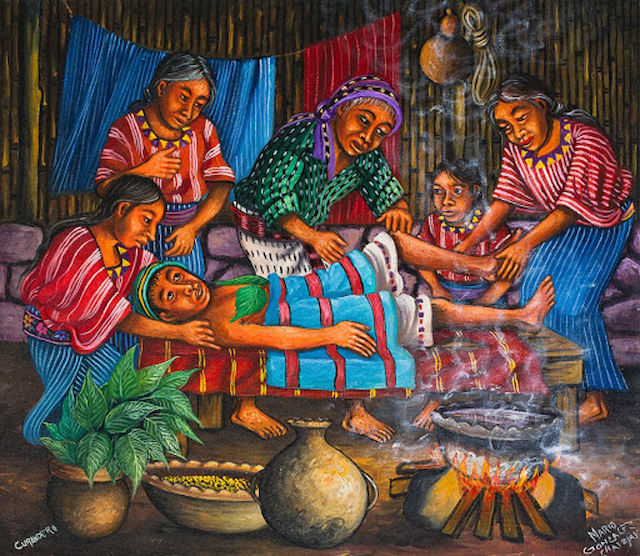
    Susto, often referred to as “fright illness”, is the name for a collection of symptoms including anorexia, fever, depression, and insomnia. Frightening events are typically attributed to causing the ailment, with emotional trauma, accidents, sudden scares, and witnessing tragic events being among the believed causes. In Latino cultures, it is believed that such traumatic events causes the soul to leave the body. The sickness is highly prevalent among people from South and Central America as well as some Latinos living in the United States. Treatment for Susto is performed by a Curandero (healer) through rituals like limpias (cleansings), prayers, and herbal medicines.

    Image Credit: Humanities Colaborative

    Many cases have appeared where individuals have claimed to be affected by susto. One of the most well-known studies describes a teenage boy named Junior who was admitted to a hospital for presumed Guillain-Barre syndrome. Though doctors were ready to treat him for such, the boy’s mother said that the symptoms were caused by a scare. Though doctors pressed a bit more about what could have caused the susto effects, the only information offered by the pair was that the incident had taken place with Junior’s father. No consideration of other illnesses by the family was described in the article.

    There is much to be considered with respect to the potential implications of folk illnesses like susto in programs and institutions; this will be further detailed in a later post. Many articles on the topic of susto discuss it in the context of cultural literacy; the failiure of many American doctors to understand the unfamiliar ailment serves as a call for increased cultural literacy in the medical sphere. The AMA article goes on to talk about communication styles in physician-patient communications as well as suggested education programs. Though I will write about the communication styles in a later article, I found the suggested literacy program to be interesting.

    The AMA describes a proposed model for cultural competency first created by Lee Pachter called “awareness assessment negotiation (AAN)”. Intended to be deployed when the health values of a patient or family do not fit the established western model, the AAN involves knowing about the normative cultural values of a group, assessing whether or not the patient or family conforms to those cultural values, and finding ways to meet the patient in the middle with regards to their beliefs. For example, in the aforementioned case, the physicians could have worked more to listen to Junior’s mom as well as acknowledge the warmer and more family-based communication style characteristic of Latino culture. While the system would be useful in solving cultural clashes in an ideal world, realistically speaking, it is impractical and near impossible to educate healthcare professionals about the intricacies of every culture’s communication styles and values. Still, the importance of cultural literacy that these cases convey is an importance that must be acted upon.

    Though this post was brief, I enjoyed writing about a new topic, and I hope to learn more about healthcare and medical anthropology as I continue to write. Stay tuned for the next article!

  • A Look Into Cultural Influences on Attachment Styles

    A Look Into Cultural Influences on Attachment Styles

    Introduction

    Hello all, and welcome to my first post of the new year! Today, I am researching a rather niche topic that did not realize could be looked at through an anthropological lens: attachment styles. I recently learned about this psychological phenomenon during my studies in AP Psych class, and I found the science behind innate infant behaviors to be fascinating.

    A Brief History of Attachment Theory

    First developed by the 20th century psychiatrist John Bowlby, attachment theory postulates that infants must bond with a primary caregiver to properly develop socially and emotionally. Though the concept of attachment has been studied extensively in the last 100 years, developmental psychologist Mary Ainsworth’s famous “strange situation” experiment paved the way for modern understanding. This experiment placed infants in an unfamiliar room with a caregiver before removing the caregiver and leaving the infants alone. After a while, the caregivers returned, and the reactions displayed by the infants were recorded. This study found that attachment to a caregiver typically is expressed in either a secure or insecure manner, with insecure attachment taking the form of anxious attachment, avoidant attachment, and disorganized attachment (anxious-avoidant). Though one’s attachment style manifests itself at an early age and is influenced mainly by primary caregiver interactions, these styles tend to stick with us into adulthood, and they continue to be evident in mature relationship dynamics.

    Cultural Influences

    Now that an understanding of the psychology behind attachment styles has been established, I will turn to a well-known meta-analytic study of existing “strange situation” experiments (Van Ijzendoorn & Kroonenberg) across cultures to examine cultural differences in attachment. This analysis blends psychology and anthropology in its classification of cultures as either collectivist or individualist (see earlier article). Examining almost 2000 instances of the strange situation across 8 different cultures, researchers found that levels of secure attachment were relatively uniform across cultures (with Britain having the highest percentage and China having the lowest). More interestingly, individualistic countries that value independence tended to have higher levels of disorganized attachment, while collectivistic countries tended to have high levels of resistant anxious attachment. Despite these findings, intercultural variations of attachment styles suggest that culture is not a necessarily a primary influence on attachment styles or parenting styles. Moreover, unique ways of life (such as the Israeli way of raising children in a kibbutz) can contribute to the development of attachment styles that can skew the overall outcome of studies such as this one. In conclusion, culture plays a role in the development of attachment styles, but unique traditions as well as differing parenting styles mean that more research needs to be done to make a definitive statement as to what extent culture truly affects attachment.

    Thank you for reading this month’s post! If you are interested in the concept of attachment styles and want to learn about what yours could be, check out this short survey that gives you a general idea of your style: https://www.attachmentproject.com/

    Note: I am in no way affiliated with the linked survey; I included it purely as an interesting resource.

  • Barroom Biology: Aldh2 Polymorphism in Asian Culture

    Barroom Biology: Aldh2 Polymorphism in Asian Culture

    Hello everyone, and welcome back to another blog post! For this post, I decided to explore a bit in the world of biological anthropology, one of the four main branches of anthropology. I typically try to keep my articles primarily centered around the branch of cultural (or social, for my British readers) anthropology, but this topic interested me enough to expand my horizons.

    Aldh2 Polymorphism

    Colloquially referred to as “Asian Flush”, alcohol flush reaction is a condition in which an individual can develop flushing, swelling, nausea, and a heightened heartbeat, among other symptoms. Such occurs in response to drinking in moderate to heavy quantities in individuals who have Aldh2 Polymorphism. Aldh2 (aldehyde dehydrogenase) is an enzyme encoded by the Aldh2 gene located on chromosome 12. It plays a major role in alcohol metabolism, that is, when the Aldh2 gene’s expression is producing both of its major isozymes. While most White, Black, Latino, and Middle Eastern people have no issues with their Aldh2, 35-50% of East Asian individuals are missing the mitochondrial isozyme. This makes those with the genetic mutation susceptible to alcohol flush reaction, as they are not able to use the isozyme to metabolize the toxic acetaldehyde in alcohol and convert it to the safer compound acetate. The excess of acetaldehyde is what causes the symptoms of flush reaction in the body. Those who have Aldh2 polymorphism carry the rs671 allele on chromosome 12 (also known as Aldh2*2), causing the mutation. (PubMed, Wikipedia)

    Image Credit: plos.org

    If the load of medical talk was too much for you, luckily, we will now move over to anthropology and examine how this mutation came to impact such a large amount of one population. Many theories exist claiming to answer the mystery of how it came to be; I will address each one and provide my own commentary as to how each could be correct. An article written by Yi-Chyan Chen et al. postulates that the initial genetic mutation spread easily due to the protection it provided from alcoholism as well as the dangers provided by alcohol in early times. This theory says that the mutated gene was favored because of the low rates of excessive alcohol consumption exhibited by its carriers (Chen et al., 2021). Chen’s idea is missing an explanation for why East Asian alcohol fostered natural selection at such a high rate, though, which is why I must continue to the next theory. A more recent study by Giovanni Denna et al. fills in some of the holes in Chen’s theory. Drawing on human evolution more so than Chen, it is here proposed that the Neolithic transition, a major shift in human life from nomadic hunter-gatherer living to a way of life with established settlements and the first agriculture. With rice first being cultivated during this period, the diets of these newly settled homo sapiens underwent a massive change involving the introduction of new pathogens. Denna’s theory suggests that selective pressure stemming from the new pathogens favored ALDH2*2 due to the protection it provided from microorganisms in water or fermented liquids used in alcoholic beverages, taking the focus off of alcohol itself and shifting it to the ingredients that make it up. The evolutionary pressure was reinforced by the popularization of rice-based alcohol, as it is proposed that rice may have been a carrier of pathogens (Peng et al., 2010). A final theory proposes that the selection may have been due to other non-alcohol related effects. Experts have not made a decisive conclusion as to which theory is correct, but the current consensus is that the right answer lies somewhere in the middle ground between all the theories.

    Effect on Culture

    Though the collection of studies on cultural implications of the ALDH2*2 gene is sparse to say the least, there have been a few interesting effects observed. To state the obvious, the gene deficiency leads to a lower rate of alcohol dependency in the affected population as well as a modified reaction to peer drinking. In cultures like Japan where the majority of people are carriers of the modified gene, drinking traditions have adapted to protect from the flush reaction; alcohol is generally consumed more slowly and in smaller amounts at a time. In some cultures like Japan, an attitude of accommodation towards those with the flush reaction is prevalent as a result of awareness of the flush reaction. This fits with the recurring anthropological theme of biology influencing behavior. Surprisingly, not many other facts on the matter have been revealed by research, as the amount of studies looking into ALDH2 deficiency leaves something to be desired.

    Sources Referenced

    Chen, Y.-C., Yang, L.-F., Lai, C.-L., & Yin, S.-J. (2021). Acetaldehyde Enhances Alcohol Sensitivity and Protects against Alcoholism: Evidence from Alcohol Metabolism in Subjects with Variant ALDH2*2 Gene Allele. Biomolecules, 11(8), 1183. https://doi.org/10.3390/biom11081183

    Shin, M. J., Cho, Y., & Davey Smith, G. (2017). Alcohol Consumption, Aldehyde Dehydrogenase 2 Gene Polymorphisms, and Cardiovascular Health in Korea. Yonsei medical journal, 58(4), 689–696. https://doi.org/10.3349/ymj.2017.58.4.689

    Deiana, G., Sun, R., Huang, J., Napolioni, V., & Ciccocioppo, R. (2024). Contribution of infectious diseases to the selection of ADH1B and ALDH2 gene variants in Asian populations. Alcohol, clinical & experimental research, 48(5), 855–866. https://doi.org/10.1111/acer.15288

    Wikipedia contributors. (2025, November 4). Alcohol flush reaction. In Wikipedia, The Free Encyclopedia. Retrieved 23:10, December 3, 2025, from https://en.wikipedia.org/w/index.php?title=Alcohol_flush_reaction&oldid=1320340582

    Wikipedia contributors. (2025, July 25). ALDH2. In Wikipedia, The Free Encyclopedia. Retrieved 23:12, December 3, 2025, from https://en.wikipedia.org/w/index.php?title=ALDH2&oldid=1302450652

    Peng, Y., Shi, H., Qi, Xb. et al. The ADH1B Arg47His polymorphism in East Asian populations and expansion of rice domestication in history. BMC Evol Biol 10, 15 (2010). https://doi.org/10.1186/1471-2148-10-15

    O’Shea, T., Thomas, N., Webb, B. T., Dick, D. M., Kendler, K. S., & Chartier, K. G. (2017). ALDH2*2 and peer drinking in East Asian college students. The American journal of drug and alcohol abuse, 43(6), 678–685. https://doi.org/10.1080/00952990.2017.1314489

  • Cheese!: The Implications of a Simple Smile Across Cultures

    Cheese!: The Implications of a Simple Smile Across Cultures

    If you’ve read my blog before, there is a very real chance that you’ve seen me use the term “across cultures” to the point of sounding a bit trite. However, this time, I feel as if I have found a use of the term that is worth its incessant repetition.

    An occurrence that has always attracted my curiosity is the smile. Given thought, it is a truly fascinating thing that we in the United States are smiling to express their happiness at ages as young as six to twelve weeks. When pondering this, I began to wonder: ‘Is smiling innate? Do Japanese babies also smile to show happiness? Do German babies also smile to show happiness? Do Brazilian babies also smile to show happiness? Would the act of curving your lips upwards still signal your contentment to others if you were 5,000 miles away?’. These are all questions that I hope to find answers while I compose this week’s brief but hopefully rewarding post.

    Image Credit: Unsplash

    What Does a Smile Mean in Different Cultures?

    For the lack of a need to introduce the act of smiling (a phenomenon with which you are hopefully acquainted with at this point), I will dive right into the interpretations of a smile around the world. While smiling in America is common and widely accepted as an expression of happiness, people identifying with the Japanese culture typically do not feel the same way. In Japan, individuals have a different relationship with self-expression that tends to be less accepting of it than in America. In fact, their interpretation of expression of happiness lies more so in the look one gets in their eyes when experiencing cheerful or pleasant emotions. In a study published by Yuki, Maddux, and Masuda, researchers found that Japanese participants felt that Kaomoji [i.e. (^_^) & (T_T)] were more representative of their emotions than emojis frequently used by Americans [i.e. 🙂 & :-(]. Japan isn’t the only country that differently interprets smiling, however; smiling at someone in Russia may arouse their suspicion, while you may be surprised to find a very fearful person flashing all 32 shiny white teeth at you on your family trip to Thailand. In conclusion, a smile carries different meaning all around the world, whether it be in Japan, Russia, or America.

    The “Why”

    It is known that the smile is something interpreted differently around the globe, but what lies at the root of this phenomenon? There are many theorized reasons as to why we perceive smiles the way we do. I will use the difference between WEIRD (western, educated, industrialized, rich, democratic) cultures and East Asian cultures as the primary example here, as the difference between these cultures tends to be fairly drastic. Variations in cultural values—specifically between the individualistic West and the collectivistic East—may shape how happiness is expressed(Saskatchewan Polytechnic). This can play into different cultural models of self, and studies have shown that, when asked to complete the sentence “I am ____” 20 times, Japanese students tended to fill in the blank with social roles (i.e. cousin, daughter, student) as opposed to American students, who preferred to describe themselves with sociopsychological attributes (i.e. friendly, outgoing) (Cousins, 1989). These studies demonstrate a different relationship with emotion and its expression in individuals on other sides of the globe. Additionally, one theory postulates that countries composed of individuals with different cultural backgrounds tend to smile more due to the fact that their diverse cultural composition (individuals with different values and language coming together) requires nonverbal communication to be used as a cue more frequently. In contrast, relatively homogenous nations such as Japan may not require the same level of nonverbal cues, as the country’s language is uniform throughout.

    Knowing that smiling is not the norm for emotional expression in every part of the world, how do people from different cultures express their contentment and cheerfulness? Body language, tone of voice, social harmony behaviors, laughter, and “eye expressions” are all different ways that people around the world show their happiness.

  • Globalization: The Interconnected World of Today

    Globalization: The Interconnected World of Today

    Since 1980, world trade as a percentage of global GDP has almost doubled (Index Mundi), international migrant stock has more than tripled (United Nations), and the number of people using the internet has increased by thousands of times (ITU). As a reader of an anthropology blog, you may ask why I am sharing seemingly unrelated statistics that would fit much better in a blog about technology or global economics. However, these statistics are all proof that there is a force driving connection in the world of today: globalization.

    A Brief History of Globalization

    Globalization is defined as the process of connecting and integrating different economies, cultures, technology, and populations, increasing global interconnectivity. This is done through the means of technology, people, shared ideas, and trade, to name a few. Globalization can be observed in all walks of life around the world, and its presence is ever-increasing.

    Image Credit: NASA

    The spread of the globalization phenomenon can be traced back to early trade routes like the silk road. On these routes, merchants moved their goods across trade chains for thousands of miles across continents (Eurasia, in the case of the silk road). Though this did not directly establish links between cultures, a large-scale economic market spanning dozens of countries was established, paving the way for economic interconnection. Future widespread trade included the spice routes of seventh-century Arabs, connecting the east and the west as well as paving the way for the Age of Discovery. During this period (1400-1700), European nations greatly advanced globalization through their conquest of foreign nations, one of which later became the United States of America. Through the founding of Spanish and Portuguese trade routes to outposts in South and Central America, the Columbian Exchange, a web of trade routes bringing regionally specialized goods to new areas, opened a new worldwide colonial economy. While these advancements led to partial globalization, true globalization was not achieved until around the 20th century, when the industrial revolution opened a new era of trade dubbed the “First Wave of Globalization”. Over the years, the process of globalizing advanced and economic bonds were strengthened by innovations in technology (brought by the first and second industrial revolutions). Today, a new “Fourth Wave of Globalization” is continuing the upward economic trend as cybertechnology dominates world markets.

    Columbus’s exploration of the New World played a large role in establishing a global economy. (Image Credit: Kristijan Arsoy)

    Types of Globalization

    While my not-so brief overview of globalization’s lengthy history makes it sound like a primarily economic topic, globalization in the modern age takes many forms. Each of these comes with its own advantages and drawbacks.

    Political Globalization

    Starting with a type of which we have no shortage in the current day and age, political globalization describes the development of global policy and international government. In the modern interconnected world, tensions such as geopolitical conflicts (i.e. the Russo-Ukrainian conflict or the Arab Spring) have far-reaching effects that extend well beyond their borders (such as ethnic tensions that resulted from the revolutions). Additionally, world governments and allegiances such as the UN, EU, NATO, and the defunct Warsaw Pact have become increasingly active on the world stage in the last century. These bodies, primarily established to promote security and harmony in member countries, have led to an increased political interconnectivity that has brought previously closed-off countries with their own unique policies into shared-policy groups. Political globalization is seen by some as a force of positivity, as it fosters peace as well as economic connections, but it has been criticized by some as having caused a loss of sovereignty (i.e. British Eurosceptics such as Nigel Farage, who criticize the European Union’s undermining of state independence).

    Economic Globalization

    Economic globalization refers to the integration of national economies into the global economy. The modern technology market is a perfect example of this: a computer made of American raw materials and Chinese computer chips could be assembled in a Hungarian factory. This international economic integration has become a standard of modern manufacturing, and the outsourcing of different countries’ labor and resources creates economic ties that have merged multiple nations’ economies into one (or something that is on the way to being one). Global stock markets are another prime example of economic globalization; the fluctuation of a stock in one country could have an impact on investors and governments around the world. While economic globalization drives the growth of international markets and promotes healthy economic competition, the interconnectivity it brings increases the risk of a potential financial crisis having global consequences.

    Cultural Globalization

    Cultural globalization, the type most pertinent to the study of anthropology, is the spread and integration of cultures into other cultures. The internet (and its social media platforms) serves as the perfect vehicle for the spread of culture, something that can be seen in the global support for football team Manchester United or K-pop band BTS. Furthermore, mass global travel and tourism helps to spread cultural ideas and customs. Though cultural globalization can cause cultural homogenization and loss of unique traditions, with balance, the spread of cultures around the globe can help us gain a fuller understanding of viewpoints and ways of life through others’ perspectives.

    Applications to the Field of Anthropology

    The primary aspect of globalization pertinent to anthropology is the newfound connectedness of people and their ways of life (seen primarily in cultural globalization, but also through connections like business ties in economic globalization). Global interaction between cultures and individuals, a major theme in the study of anthropology, is greatly changing as globalization persists, and the field of anthropology must constantly adapt to keep up with global interconnection. Additionally, studying the reactions of people and cultures to globalization unlocks new perspectives that can reveal more about cultures as well as how globalization is working its way into their ways of life. This can be seen in many real-life studies such as Dr. Garett Cook’s research on indigenous villagers in Guatemala and how they work to maintain their traditions as globalization rapidly reshapes the environment they live in. All in all, anthropology can reveal much about globalism and help humanity adapt to the constantly shifting economic, political, and cultural landscape that is the world of today.

    All images were taken from Unsplash.com

  • The Big Theme: Collectivism vs Individualism

    The Big Theme: Collectivism vs Individualism

    Hello all, and welcome to this month’s second post! I had initially planned to write today about psychological effects and their applications to anthropology (a series I hope to begin). However, while I was conducting research, I came across a recurring theme that I was familiar with but not particularly informed on: collectivist vs. individualist cultures. Almost every study about psychological differences that I hoped to reference compared collectivist and individualist cultures, so I figured that I would write a post detailing the two before I dived into any specific psychological effects.

    The labels of “individualistic” and “collectivist” are ways of evaluating values of intracultural interactions across cultures and how these interactions influence the role of an individual. The terms are most commonly used in the field of social/cultural anthropology, where they play a central role in describing characteristics of societies. It is important to keep in mind before I explain the differences, though, that no culture is purely individualist or collectivist; instead, cultures tend to fall on a spectrum in which they trend either direction.

    Collectivism

    We’ll start with collectivist cultures. Collectivist societies/cultures are group-based, meaning that larger social units (groups such as tribes or villages) are the center of focus and the key point of an individual’s identity. Cultures outside of the west, such as Latin and South American, Asian, and African ones, tend to trend towards collectivism. In these societies, the family unit is one of importance, and individuals learn to think in terms of what is best for the family instead of the individual. Collectivism in a society typically goes hand-in-hand with a high-context style of communication (which I will explain in a later article).

    Though these societies typically suffer from a lower level of occupational mobility and GDP per capita, positive aspects resource sharing among families and a focus on maintaining group harmony prevail. Additionally, these societies are significantly impacted by well-preserved tradition and social roles. Levels of interfamilial cooperation through trading resources and labor are higher in these societies, sometimes leading to higher productivity as per the assembly bonus effect.

    Nations outside of the west, particularly those of Latin America, Africa, and Asia, tend to be more collectivist. (Image Credit: Unsplash)

    Individualism

    The individualist society is one you are most likely familiar with if you live in a developed western nation. Most of the cultures in Europe and North America trend towards being individualistic, with major nations such as the US, UK, Canada, Australia, and Germany being among those. As the name would suggest, individualist societies are focused around individuals as a unit, and individuals work to look after themselves primarily. Economic principles typical of capitalism prevail in these cultures; resources are individually owned and task prevails over connection. In fact, economic interests are deeply intertwined with individualism, and in a true individualist society (a theoretical concept as of 2025), the end goal of every individual is self-actualization, particularly in an economic sense. Low-context communication tends to be prevalent in individualistic cultures. As a result of these ideals being engrained in these societies, the occupational mobility as well as the GDP per capita tends to be higher. While the freedom and flexibility offered by individualistic culture seems appealing, inequality and lack of social support can stem from the sharp focus placed on competitiveness.

    Image Credit: Unsplash

    Final Words

    Individualistic and/or collectivistic frameworks are important to anthropology as they effect things on all levels of a culture, from the behavior of the individual to the interactions within a nation. Now that you understand what these labels mean, it will be much easier to understand how they influence behavior on the level of the individual (in regard to psychological effects). Thank you for reading; stay tuned for more posts next month!

  • Research Review: Semantics of Illness in AI Healthcare

    Research Review: Semantics of Illness in AI Healthcare

    Hello everyone, this is my first post in a while as school got off to a busy start, but I will be posting more frequently in the future, so stay tuned for more anthropology articles.

    I recently participated in a guided research program where I wrote my first research paper. Choosing a topic was slightly hard, but I eventually settled on medical anthropology. I had the most difficult task to deal with next: finding a research question. After looking into many different areas in which medical anthropology could be applied, my mentor and I looked into the development of artificial intelligence (AI) healthcare models and applications of anthropology to them.

    The concept of healthcare AI models is a relatively new one, as the technology needed to produce something effective enough to be worth developing has only just recently become available. Though experimental research could only be performed on existing prototype models (the soonest beta releases are years away), I wanted to look into issues that could arise in a fully functional healthcare model, specifically in regards to cultural differences. These theoretical issues would occur (most likely) primarily by way of cross-cultural differences in semantics or communication style.

    In terms of methodology, I interviewed six participants: a man and a woman each from Walnut Creek, USA; Istanbul, Turkiye; and Develi, Turkiye. The interviews were conducted as series of questions over international encrypted messaging app WhatsApp.

    Image credit: National Cancer Institute

    Semantic Differences

    Fortunately, there exists some research that looks into cultural differences in semantics of illness. Acclaimed Harvard professor Byron J Good’s The Heart of What’s the Matter: Semantics of Illness in Iran examines the Persian folk illness “heart distress” and its perceived causes in Iranian culture. The paper draws on observed semantic networks to trace how people describe their illness, and the result was that Iranians understand their illnesses very differently than Americans understand theirs. While outdated (it was published in 1977), Good’s study provided a strong theoretical basis for me to do more research. In a theoretical healthcare AI model, misdiagnoses could stem from semantic differences, resulting in an unintentionally biased model. This potential harm, should it become an issue, would be classified as structural violence, a form of social harm that prevents groups of people from having their essential needs met (Read more in the paper linked below).

    The first two interview questions were oriented towards semantic differences. The first asked participants to describe symptoms of a common cold to a doctor, and the second asked them to describe symptoms to an AI model. In theory, these two questions would reveal differences across cultures in both how patients interacted with physicians and how they interacted with AI. Provided symptoms were compared in a table (included below), and the style of descriptions (symptom vs biomedical, list vs na

    Cultural Comfort Differences

    The other two questions were less important to the study; these dealt with contextual differences in communication across cultures. The participants were asked to honestly give any sensitive or embarrassing symptoms that they would not feel comfortable sharing with an in-person physician. They were then asked if they would be more comfortable sharing these symptoms with an AI doctor. The purpose of these questions was to evaluate two things. First, if patients felt more comfortable sharing symptoms with a doctor and, consequently, omitted certain symptoms from a report to an AI model, misdiagnosis could occur from a skewed description. Second, if patients felt more comfortable sharing details with an AI model, they would be more likely to share full details and receive an accurate diagnosis as a result.

    Results

    It was hypothesized based on existing theory and assumptions that there would be a good deal of cultural differences in semantics of illness and comfortability interacting with an AI model. The results, however, showed minimal differences across the three cultures (see tables in the paper). There were little to no differences within the country of Turkey, and Turks tended to describe their symptoms and comfortability with in relatively similar ways. The only major difference within Turkey was that rural Turks tended to describe their illness in a symptomatic hybrid difference, while urban Turks tended to describe their illnesses in a list fashion. American and Turkish responses displayed similar levels of variation, as the only major difference between the countries was the symptoms of the common flu that they provided (more detail in the paper).

    There are many potential explanations for the high level of similarity between cultures, but experimental research is needed to verify any one of these explanations. A possible and likely reason that the results of my study were so different from Dr. Good’s is that globalization has made the world a much smaller place since 1977. With the technological revolution putting internet access into the hands of almost all people, information can be spread much more easily, and as a result, cultural mannerisms and ways of interacting bleed into each other more than they used to.

    This study was non-experimental and hypothesis-generating, so no conclusions can be drawn from the results. It does, however, raise interesting questions about how important cultural differences really are to the development of healthcare AI models.

    I would like to thank the team at Lumiere education for providing excellent services and making the experience of writing a paper much easier than it would have been if I had attempted to do it myself. I highly recommend them to anyone who needs guidance in writing and publishing their first paper.